
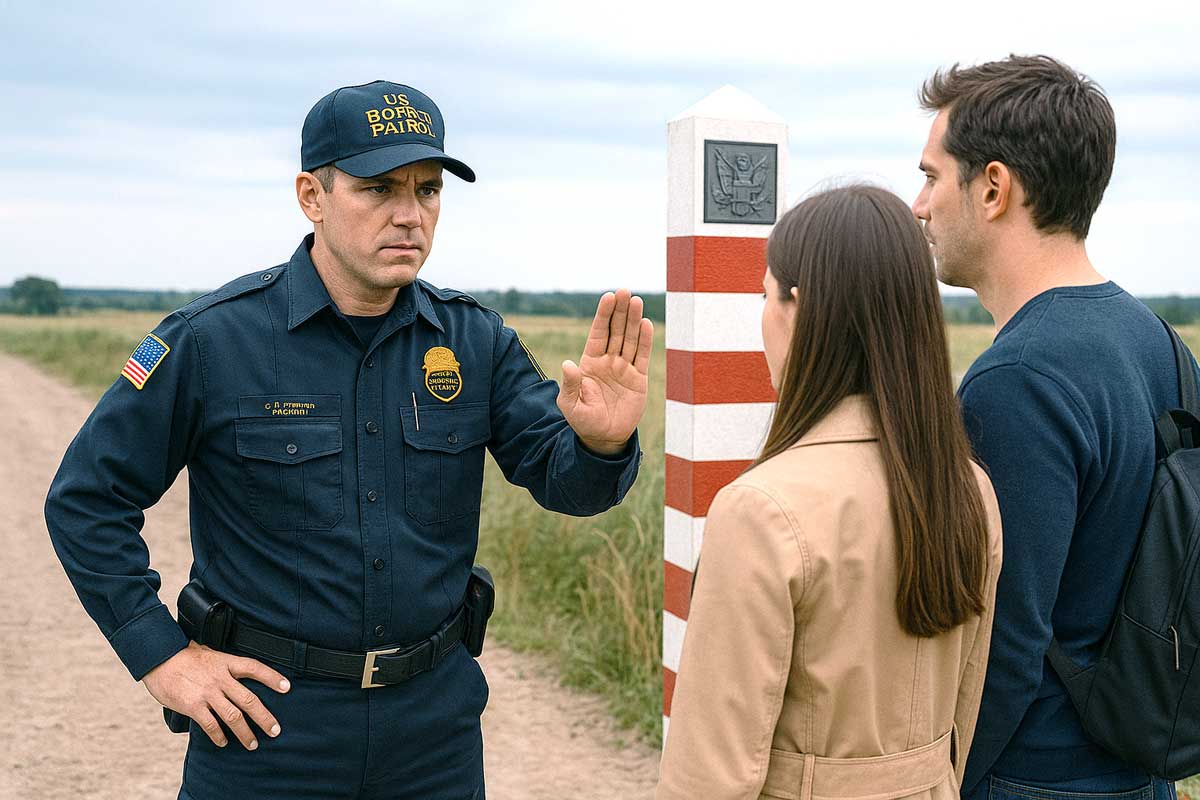
What to Do If Your Photo or Visa Application Is Rejected (Step-by-Step Recovery Guide)
Receiving a rejection notice for your visa application or ID photo can be frustrating, especially when you’re working under time pressure for travel, work, or immigration. The good news is that most rejections happen due to small, easily correctable issues. With the right approach, you can fix the problem quickly and reapply without losing much time.
This guide explains the exact steps to take after receiving a rejection—whether the problem is related to your photo, missing documentation, technical formatting, or submission process.
1. Start by Identifying the Exact Reason for Rejection
The first step is to carefully read the rejection notice or online status update. Authorities typically mention what went wrong, although sometimes the message can be vague.
Typical rejection categories
| Issue Type | Common Reasons | Requires New Submission |
|---|---|---|
| Photo-related | Wrong size, background, shadows, head tilt, low resolution | Yes |
| Missing documents | Unsubmitted copies, incorrect forms | Yes |
| Technical formatting | Wrong file type, wrong DPI, unreadable scan | Usually |
| Administrative delay | Pending security or agency review | Not always |
| Insufficient evidence | Financial proof, itinerary, return ticket | Often |
Now that you know the reason, focus on correcting that specific issue before reapplying.
2. If the Rejection Is Due to a Photo Issue
Most photo-related rejections result from simple formatting mistakes rather than poor quality.
Most common photo mistakes
| Problem | How It Affects the Application | How to Fix |
|---|---|---|
| Face not centered or slightly tilted | Biometric mismatch | Retake with chin parallel to the ground |
| Shadows or uneven lighting | Face recognition errors | Use natural light or even indoor setup |
| Busy or colored background | Rejected by automated scanning | Use a plain white or light gray background |
| Low resolution or excessive editing | Image compression artifacts | Retake in native resolution |
| Incorrect head proportion | Outside measurement standards | Use a tool that auto-calibrates size |
If possible, retake the photo using a solution designed specifically for passport or visa imaging. This eliminates manual cropping errors and automatically adjusts background, head size, and brightness.
Tip: If you previously used a generic photo editor or smartphone app, switch to a tool specialized for document photos before resubmitting.
3. If the Rejection Is Due to Incorrect or Incomplete Documents
When documentation is the issue, review the checklist provided by the issuing authority. Most rejections are caused by one of the following:
- Missing notarized or certified copies
- Untranslated documents submitted in the wrong language
- Expired identification
- Inconsistent information across forms
- Incorrect formatting of digital scans
Suggested actions:
- Verify whether notarization or apostille is needed.
- If translating documents, use a certified translation approved by the destination country.
- Rescan documents at a resolution of at least 300 DPI.
- Use universally accepted formats—PDF for documents, JPEG for photos.
4. If Your Online Application Status Is “Rejected” or “Returned for Correction”
Not all rejections require full resubmission. In some cases, you may only need to update or correct the previously submitted files.
How to interpret common status messages
| Status Displayed | Meaning | Action |
|---|---|---|
| “Rejected – Resubmit photo” | Only the photo was not accepted | Prepare a new compliant image |
| “Returned for documentation” | Documents missing or invalid | Upload corrected copies |
| “Pending additional review” | Administrative checks | Wait or contact support |
| “Ineligible – Must reapply” | Serious issue | Start a new application cycle |
If clarification is unclear, contact the help center or immigration support desk and request the specific step required. Always document your communication.
5. Best Practices Before Resubmitting
Before sending your application again, go through a brief pre-submission review:
Check your photo:
- Does it comply with size and background requirements?
- Is your head centered and eyes clearly visible?
- Was it captured under even lighting?
Verify documents:
- All pages are submitted, including signatures and stamps.
- Copies are clear, not over-compressed.
- Translations are certified if required.
Technical guidelines:
- Correct file formats (commonly PDF for documents, JPG for photos).
- File size within allowed limits.
- Name files clearly (e.g., “Lastname_PassportPhoto.jpg”).
6. When to Request Professional Help
Seek support from an authorized visa consultant, immigration attorney, or official service center if:
- Your application has been rejected more than once.
- You’re working with a tight travel deadline.
- Your rejection notice cites legal or eligibility concerns.
- The immigration authority requests additional formal justification.
For photo-related issues, using a compliant online photo tool or professional ID photo service is usually sufficient.
7. Final Recommendation Before Reapplying
- Carefully address the exact error noted in the rejection.
- Replace or correct the affected files only.
- Double-check all technical specifications.
- Resubmit as soon as corrections are made—do not delay unnecessarily.
- Keep records of all submissions and confirmation receipts.
Conclusion
A rejection is not the end of the process—it is an opportunity to correct the issue before it causes a more serious delay. In most cases, a rejected photo or missing document can be resolved in a matter of hours with the correct tools and a focused approach. The key is to fully understand the reason first, fix the specific problem, and reapply using verified, compliant materials.
Taking a systematic approach not only improves your chances of approval but also helps avoid future complications for renewal, extension, or visa transfers.